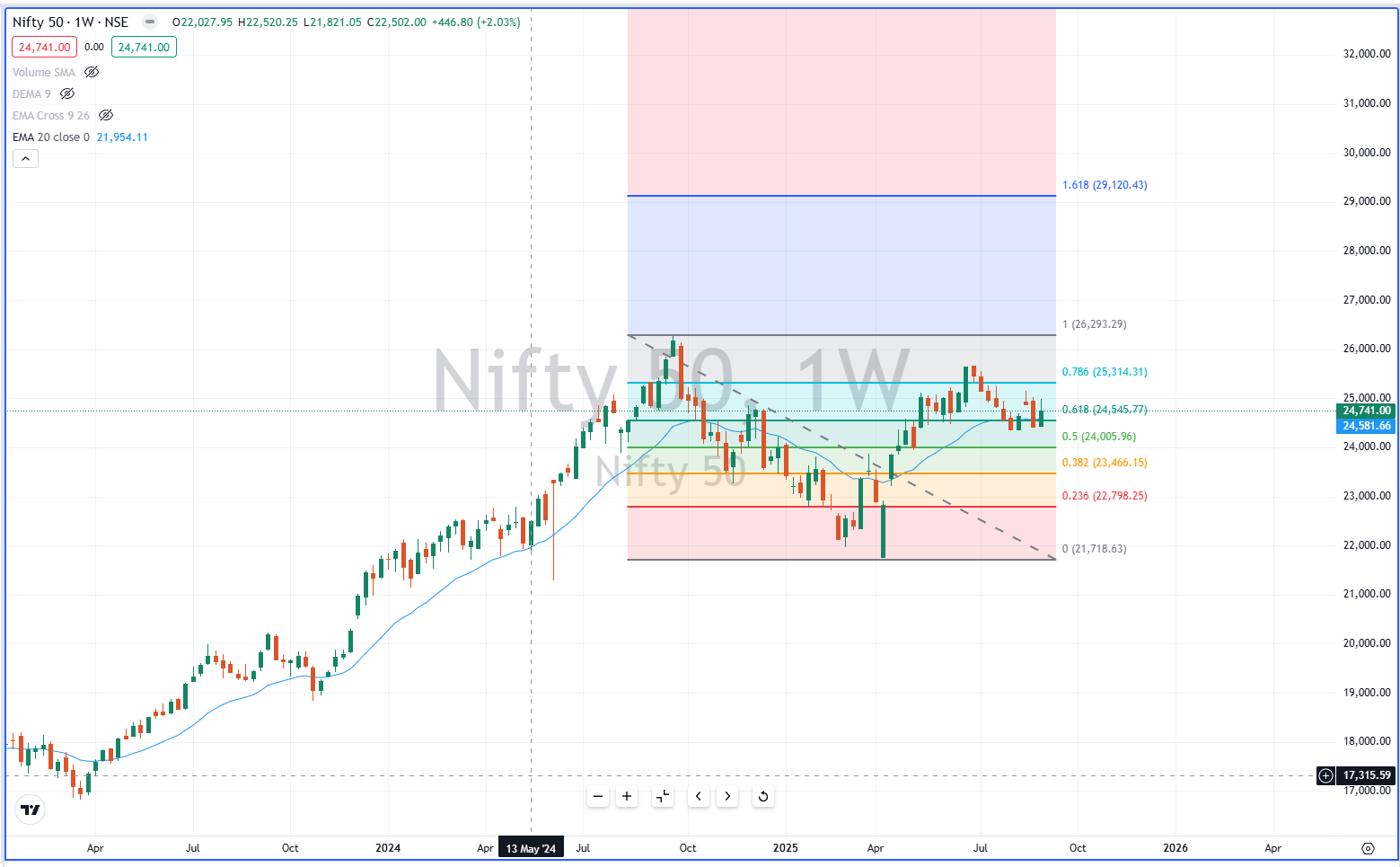
Stock Market Bloodbath 2026| Market Crash Strategy| Portfolio Recovery Tips| Investing in Volatile Markets
| Critical Event | Status / Date |
| Market Condition | Bloodbath / High Volatility |
| Current Trigger | Geopolitical Tensions (March 2026) |
| Recovery Signal | Awaiting “Green Signal” / De-escalation |
| Investor Action | Hold & Stay Away |
Survival Guide: How to Navigate This Market Bloodbath
The screen is red, portfolios are shrinking, and the headlines are screaming “Bloodbath.” In March 2026, the Indian stock market has faced intense pressure due to global geopolitical shifts and surging oil prices. When the Nifty and Sensex take a hit like this, the most dangerous thing you can do is act on impulse.
Here is your 10-point plan to survive and thrive during this correction.
1. Rule Number One: Don’t Panic
Fear is the enemy of wealth. When markets crash, the “fight or flight” response kicks in, tempting you to sell everything. Remember, the market has survived wars, pandemics, and depressions. This too shall pass.
2. An Exit is a Permanent Loss
As long as you hold your quality stocks, you haven’t lost a single Rupee. The moment you click ‘Sell’ in a panic, you turn a temporary dip into a permanent financial scar. If you don’t need the money today, don’t exit today.
3. Digital Losses vs. Actual Losses
Your app might show a -20% or -30% return in red. Understand that this is a digital loss—a valuation of what someone is willing to pay right now in a moment of panic. It is not an actual loss until you liquidate the position.
4. Step Away from the Screen
If you find yourself checking your portfolio every 10 minutes, stay away. Constant monitoring during a bloodbath only increases anxiety and leads to poor decision-making. Delete the app for a few days if you have to.
5. Cash on Hand? Now is NOT the Time (Yet)
It’s tempting to “buy the dip,” but in a true bloodbath, the “dip” can keep dipping. Even if you have cash, entering too early can lead to your capital getting “stuck” at higher levels while the market finds a bottom.
Stock Market Bloodbath 2026| Market Crash Strategy| Portfolio Recovery Tips| Investing in Volatile Markets
6. No Cash? Close the App
If you have no spare capital to invest, there is absolutely no reason to look at the market. Your job is to wait. Watching the red candles won’t make them turn green; it will only test your patience unnecessarily.
7. The Recovery Catalyst
History proves that markets recover as soon as the “unknown” becomes “known.” Whether it’s the cessation of war or a positive shift in global inflation data, the recovery is often faster than the fall.
8. Wait for the Green Signal
Don’t be a hero. Wait for the market to stabilize and show a clear “Green Signal” (higher highs and higher lows) before deploying fresh cash. Buying in a falling knife scenario risks blocking your liquidity for a long time.
9. Stop Trying to Time the Market
Nobody—not even the pros—can pick the exact bottom. Trying to time it perfectly usually leads to missing the best recovery days. Focus on “time in the market” rather than “timing the market.”
10. Invest Only After Proper Confirmation
No matter if your favorite stock jumps up by 5% or 10% in a single day—don’t FOMO (Fear Of Missing Out). Invest only after a proper trend reversal signal. It is better to buy a bit higher with certainty than to buy lower and get stuck in a sideways or declining market for months.
Deep Dive Analysis: The 2026 Market Context
Business Model & Financials
During a bloodbath, focus moves from “growth” to “survival.” Companies with high debt are the first to be crushed. In this 2026 scenario, companies with strong cash flows and zero debt are the ones that will lead the recovery.
SWOT Analysis of Current Market
- Strengths: India’s domestic consumption remains resilient.
- Weaknesses: High sensitivity to global crude oil prices and FII (Foreign Institutional Investor) selling.
- Opportunities: Quality Blue-chip stocks are becoming available at 2024-2025 valuations.
- Threats: Prolonged geopolitical conflict and rising interest rates.
Valuation & GMP
Currently, the “Grey Market” sentiment is weak, and valuations are resetting from “Expensive” to “Fair.” This is a healthy process for long-term wealth creation, even if it feels painful today.
FAQs: Investing During a Crash
Q: Should I stop my SIPs during this bloodbath? A: No. SIPs (Systematic Investment Plans) are designed for this exact scenario. They allow you to buy more units when prices are low, which lowers your average cost.
Q: Which sectors are safest right now? A: Traditionally, Pharma and FMCG act as “defensive” sectors during market crashes because people continue to buy medicines and daily essentials regardless of the market state.
Q: How long does a recovery usually take? A: While every crash is different, V-shaped recoveries often take 3 to 6 months, while U-shaped recoveries can take 1 to 2 years.
Stock Market Bloodbath 2026| Market Crash Strategy| Portfolio Recovery Tips| Investing in Volatile Markets
Also View:
- 45 Weeks. 45 Lessons. From Basics to Advanced – Master Stock Market Investing in Less than 1 Year.
- Lesson 1: What is a Stock Market? Beginner’s Guide to Understanding Shares & Trading
- Cash Flow Statement: Why Profits Lie but Cash Never Does
📢 Join Our Market Community
📱 Stay updated on IPOs, Results & Market News:
- WhatsApp Channel: Join Now
- Telegram: Follow Updates
- Arattai: Connect with Us
📌 Stock Market Disclaimer
- Disclaimer: This post is for informational and educational purposes only and does not constitute financial advice or a recommendation to buy/sell any stock or share. Investing in the stock market involves risk. Past performance is not indicative of future results. Always conduct your own research or consult a licensed financial advisor before making investment decisions.
- The information provided on this platform is for educational and informational purposes only. It should not be considered as investment advice, stock recommendations, or financial guidance.
- ⚠️ Stock Market Investments
- Investing in equities, derivatives, mutual funds, and other financial instruments involves market risks, volatility, and the possibility of capital loss.
- Past performance of stocks or indices is not indicative of future returns.
- Always conduct your own research or consult a SEBI-registered financial advisor before making investment decisions.
- ⚠️ IPO (Initial Public Offerings)
- IPO details, issue size, subscription data, and allotment status shared here are based on publicly available information from company filings, stock exchanges, and merchant bankers.
- Investing in IPOs carries risks including listing volatility, business uncertainties, and sector performance dependency.
- Neither acceptance of applications nor allotment guarantees profits. Investors should evaluate their risk appetite before subscribing.
- ⚠️ GMP (Grey Market Premium)
- Grey Market Premium (GMP) is an unofficial and unregulated indicator of expected IPO listing price.
- GMP data is collected from market observers and informal trading circles; it does not have any legal or SEBI recognition.
- GMP values are highly speculative and may differ significantly from actual listing prices. Investors should not rely solely on GMP while taking investment decisions.
- ✅ General Advisory
- We do not provide any buy/sell/hold recommendations.
- Readers and investors are solely responsible for their investment actions and decisions.
- This platform, its authors, and affiliates are not liable for any direct or indirect financial loss arising from the use of this information.
- 🔒 Always invest responsibly and diversify your portfolio.