Short Selling And Margin Trading| Short Selling| Margin Trading| Stock Market Basics| Trading Risk| Intraday Trading| Bear Market| Leverage Trading| Beginner Trading Course
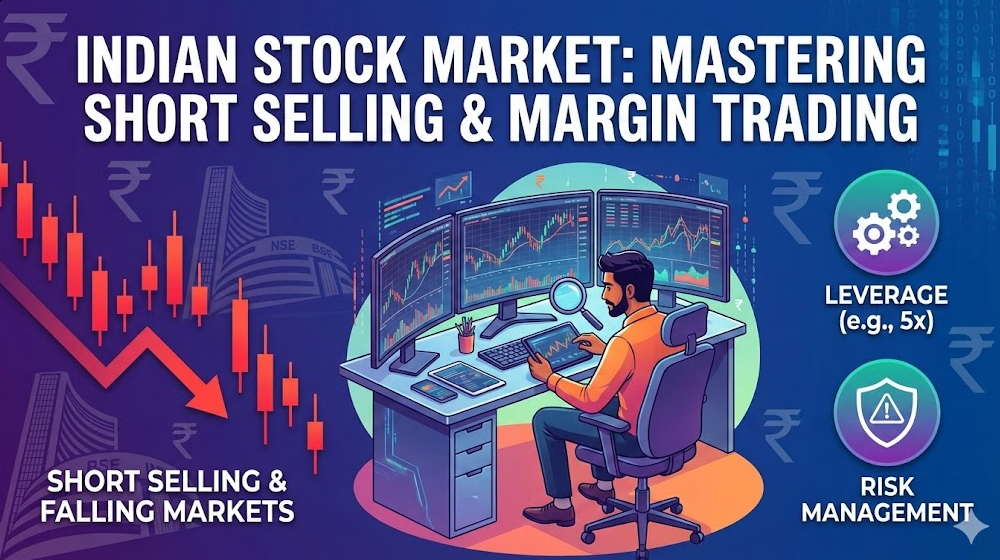
Making Money in Falling Markets – Powerful but Risky Tools
🎯 Learning Outcome
Learn how traders attempt to profit in falling markets and understand why leverage demands strict discipline.
🔑 Key Takeaway
These tools increase speed, pressure, and risk. Without rules, they destroy capital faster than normal trading.
First, Understand One Core Question
👉 Can you make money when a stock falls?
Most beginners believe:
“Profit comes only when prices go up.”
That is only half the truth.
Professional traders make money in both rising and falling markets.
Short Selling and Margin Trading are the tools that make this possible.
But before using them, you must understand how they work, why they are risky, and who should avoid them.
1️⃣ Market Reality: Why These Tools Exist
The stock market does not move upward all the time. There are periods when markets fall due to inflation fears, interest rate changes, weak earnings, global uncertainty, or panic selling. During such phases, long-term investors wait patiently, but traders look for active opportunities. Short selling and margin trading were created to allow traders to participate in both bullish and bearish phases. These tools help express negative views and take advantage of volatility. However, they are designed for informed participants, not excitement seekers. Understanding why these tools exist helps traders respect their power and risk.
Explanation
Markets move in cycles; trading tools exist for every cycle.
Example (Used Throughout)
Stock XYZ is trading at ₹500 during market weakness.
2️⃣ What Is Short Selling?
Short selling is a method where a trader sells a stock first with the intention of buying it later at a lower price. This concept feels unnatural to beginners because it reverses traditional investing logic. Instead of buying low and selling high, short selling involves selling high and buying low. It is commonly used during bearish markets, breakdowns, or negative news events. Short selling adds liquidity and efficiency to markets but also increases risk exposure. Because prices can rise unexpectedly, traders must treat short selling with caution and strict rules.
Explanation
Sell first → Buy later → Profit if price falls.
Example
Short Selling Profit
- You believe Stock A (₹500) will fall
- You sell it at ₹500
- Price falls to ₹420
- You buy back at ₹420
💰 Profit: ₹500 – ₹420 = ₹80 per share
This profit comes because the price fell, not rose.
3️⃣ How Short Selling Works in Practice
Many learners ask how it is possible to sell a stock without owning it. In short selling, the broker temporarily lends the shares to the trader. These borrowed shares are sold in the market. Later, the trader must buy the same number of shares and return them to the broker. This borrowing arrangement makes short selling time-sensitive and margin-dependent. If losses increase, the broker may demand additional margin or close the position. That is why retail traders in India are mostly allowed to short sell only on an intraday basis.
Explanation
Broker lends shares → You sell → Buy back → Return shares.
Example
100 shares of XYZ borrowed and sold at ₹500 intraday.
4️⃣ Profit Scenario in Short Selling
When the market moves as expected, short selling can generate profits efficiently. Falling prices allow traders to buy back shares at a lower cost than their selling price. However, profits should always be booked with discipline rather than greed. Professionals focus on predefined targets and exit plans instead of waiting for maximum gains. This approach protects profits and reduces emotional stress. Short selling profits often come quickly, but hesitation can erase gains just as fast.
Explanation
Profit = Selling price – Buying price.
Example
Sell XYZ at ₹500 → Buy back at ₹430
Profit = ₹70 per share
5️⃣ Risk in Short Selling
The most dangerous aspect of short selling is that losses are theoretically unlimited. While a stock can fall only to zero, it can rise endlessly. Unexpected news, short covering, or operator activity can push prices sharply upward within minutes. This creates panic among short sellers and leads to rapid losses. Because of this asymmetry, short selling is considered riskier than normal buying. Successful traders respect this risk and always protect themselves with strict stop-loss rules.
Explanation
Higher the rise, bigger the loss.
Example
Sell XYZ at ₹500 → Price jumps to ₹650
Loss = ₹150 per share
6️⃣ What Is Margin Trading?
Margin trading allows traders to trade with borrowed money from the broker. Instead of paying the full value of a trade, the trader pays only a portion, called margin. The broker funds the remaining amount. This leverage increases market exposure but also amplifies risk. Margin trading is attractive because it promises higher returns with less capital, but it also increases emotional pressure and financial vulnerability. Without proper understanding, margin trading becomes a shortcut to heavy losses.
Explanation
Your capital + borrowed funds = larger position.
Example
₹20,000 capital used to trade XYZ worth ₹1,00,000.
7️⃣ Margin Trading: Profit & Loss Impact
Leverage magnifies outcomes. Small price movements result in large profit or loss percentages on actual capital. While this looks attractive during favorable moves, it becomes dangerous during adverse moves. Brokers continuously monitor margin levels. If losses reduce margin below required limits, a margin call is triggered. Failure to add funds can result in forced square-off, locking in losses instantly. Many beginners underestimate this risk and overtrade.
Explanation
Small move → Big impact.
Example
XYZ moves 2%
→ ₹2,000 gain or loss on ₹20,000 capital (10%)
8️⃣ Short Selling vs Margin Trading
Though both are advanced tools, their purposes differ. Short selling is purely bearish and profits from falling prices. Margin trading is directional but leveraged, meaning it increases exposure in both rising and falling markets. Short selling carries unlimited loss risk, while margin trading losses are limited to margin and capital. Confusing these tools often leads to incorrect decisions. Traders must choose the right tool based on market view and risk tolerance.
Explanation
Different tools, different intentions.
Example
Bearish view on XYZ → Short sell
High-confidence move → Margin trade (small size)
9️⃣ Importance of Stop-Loss
In leveraged trading, stop-loss is not optional—it is essential. Because positions are larger than capital, losses escalate quickly. A disciplined trader defines risk before entering a trade. A careless trader hopes for recovery after losses begin. Stop-loss protects not just money but also mental peace. Professionals treat stop-loss hits as business expenses, not failures. Consistent small losses allow long-term survival in the market.
Explanation
Predefined exit limits damage.
Example
Short XYZ at ₹500
Stop-loss at ₹520 → Controlled loss
🔟 Psychological Pressure & Emotional Risk
Short selling and margin trading create intense emotional pressure. Rapid price movements trigger fear, greed, and panic. Traders often abandon plans due to emotional discomfort. Sudden spikes against short positions are especially stressful. Emotional instability leads to overtrading and revenge trading. This is why many skilled analysts still fail as traders. Emotional control is a skill developed over time, not overnight.
Explanation
Fast money tests emotions.
Example
Trader exits early due to fear despite correct setup.
Note: Where Is Short Selling Allowed in India?
Short selling is generally used in:
- Intraday trading
- Futures & Options
- Professional trading desks
Important Rules:
Margin is required
You cannot carry forward intraday short sell (except derivatives)
Square-off is mandatory
Note: But How Can You Sell Without Owning Shares?
Here’s the important part.
When you short sell:
- Your broker lends you the shares
- You sell them in the market
- Later, you must buy and return them
That’s why:
Comes with strict risk rules
Short selling is time-bound
Mostly allowed in intraday
1️⃣1️⃣ Common Beginner Mistakes
Beginners often misuse leverage due to impatience. They trade oversized positions, ignore stop-losses, and rely on tips. They also underestimate brokerage, interest, and volatility. Another mistake is trying to recover losses quickly using more leverage. These errors compound losses rapidly. Learning slowly and respecting risk is far more effective than chasing quick profits.
Explanation
Leverage magnifies mistakes.
Example
Oversized XYZ trade → Margin call → Forced exit.
Short Selling vs Margin Trading (Quick Comparison)
| Feature | Short Selling | Margin Trading |
|---|---|---|
| Market Direction | Falling | Rising or falling |
| Borrowing | Shares | Money |
| Risk Level | Very High | High |
| Loss Limit | Unlimited | Limited to capital |
| Best For | Experts | Disciplined traders |
🧠 Self-Awareness Check
Ask yourself honestly:
- Can I follow rules strictly?
- Can I accept losses calmly?
- Can I avoid emotional decisions?
If not, observe first, trade later.
✅ Final Conclusion & Expert View
Short Selling and Margin Trading are advanced instruments, not shortcuts. They demand discipline, planning, and emotional strength. For learners, understanding these tools is essential—even if they never use them. Knowledge builds confidence; discipline protects capital.
Golden Rule:
Learn first. Trade later. Leverage last.
🔜 Next Lesson Preview:
Lesson 15: Settlement System
Learning Outcome: T+1 settlement cycle explained
Timely settlement ensures liquidity.
Short Selling And Margin Trading| Short Selling| Margin Trading| Stock Market Basics| Trading Risk| Intraday Trading| Bear Market| Leverage Trading| Beginner Trading Course
📌 Final Affiliate CTA
Start trading with professional order types, GTT automation and Mini brokerage
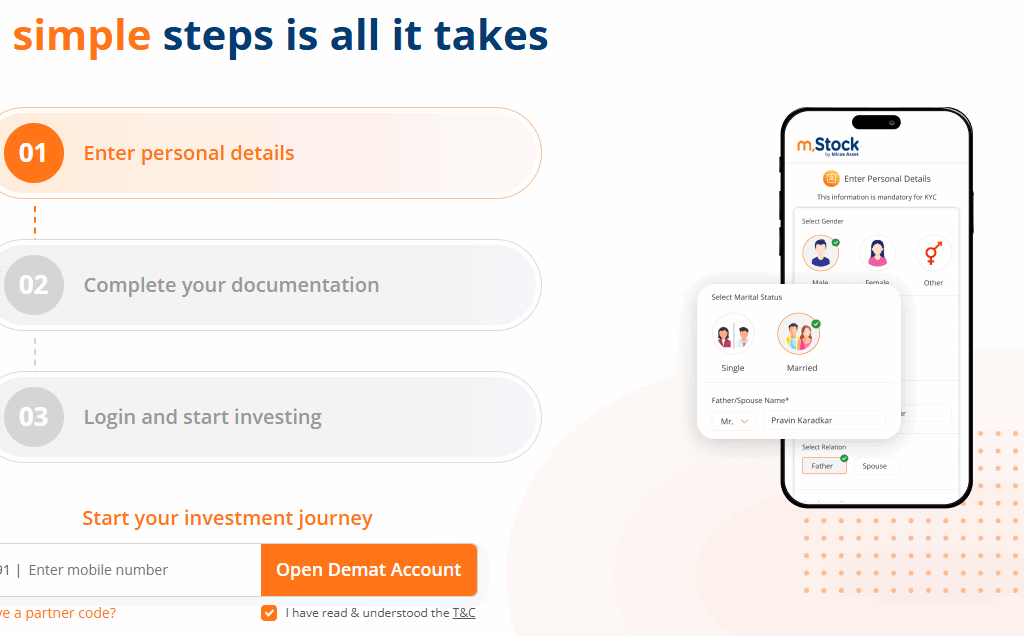
👉Open Your mStock Demat Account: Click Here
Course Introduction:
Open Demat Account
by Mirae Asset (m,Stock)

-
Trading Alert: Indian Stock Market Holidays on March 31 and Good Friday 2026
Stock Market Holidays 2026| NSE Holiday List| BSE Holidays| Mahavir Jayanti 2026| Good Friday 2026| Trading Calendar India| Share Market…
-
Nifty 50 and Sensex Post-Bloodbath Analysis: Recovery or Trap?
Nifty 50 Prediction Tomorrow| Sensex Analysis March 2026| Indian Stock Market Recovery| Stock Market Bloodbath Reasons The Indian stock market…
-
Stock Market Bloodbath 2026: 10 Rules to Protect Your Wealth
Stock Market Bloodbath 2026| Market Crash Strategy| Portfolio Recovery Tips| Investing in Volatile Markets Critical Event Status / Date Market…